Sleep Apnea vs. Snoring: What's the Difference?
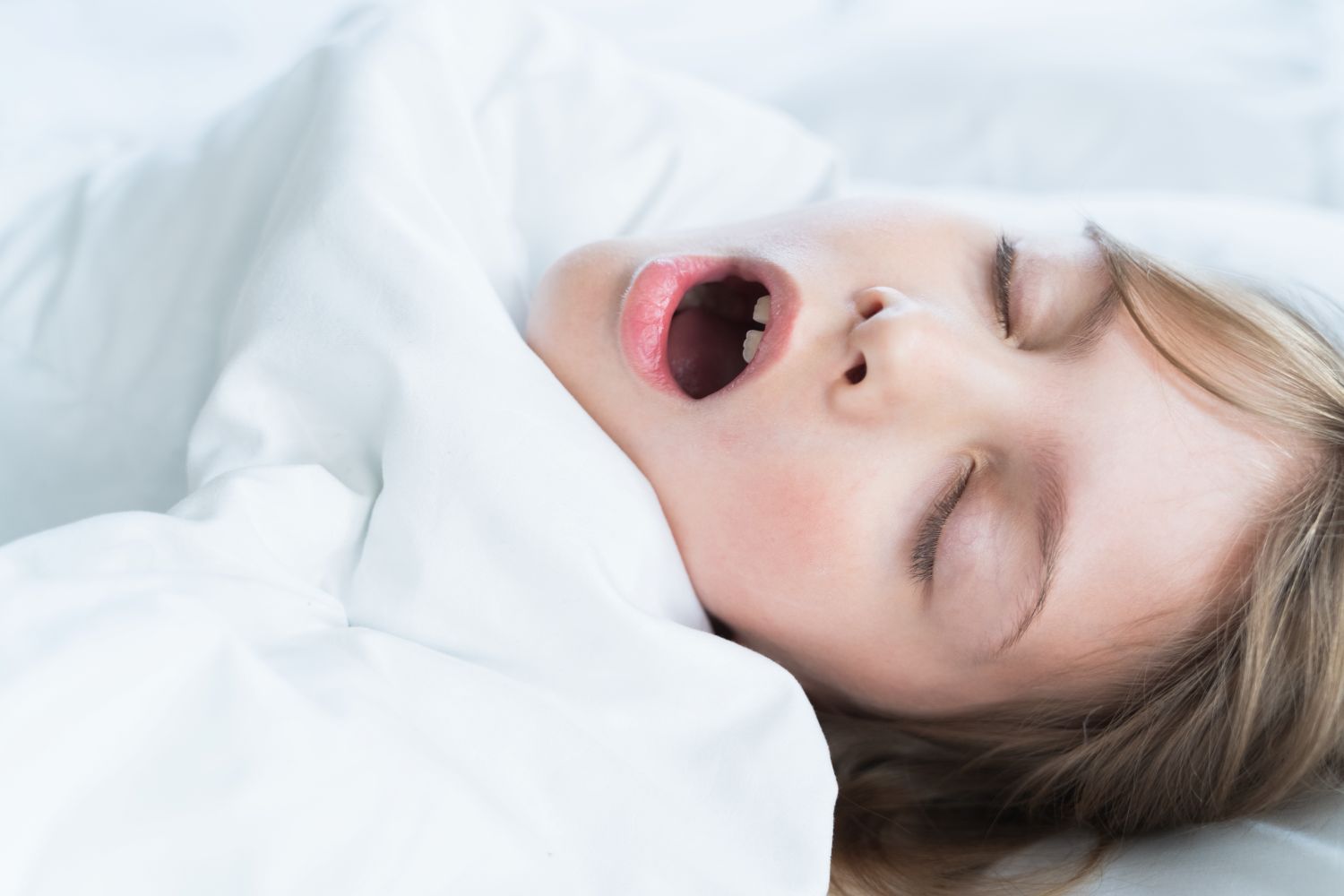
Many people assume snoring is simply an annoying nighttime habit. While this is often true, loud or persistent snoring can sometimes be a sign of obstructive sleep apnea (OSA), a common sleep disorder that repeatedly interrupts breathing during sleep. Although not everyone who snores has sleep apnea, recognizing the difference is important because untreated OSA can lead to serious health complications.
Common Symptoms of Sleep Apnea
Sleep apnea often involves symptoms beyond loud snoring.
Signs may include:
- Loud, frequent snoring
- Witnessed pauses in breathing during sleep
- Gasping or choking while asleep
- Morning headaches
- Excessive daytime sleepiness
- Difficulty concentrating
- Memory problems
- Irritability or mood changes
- Dry mouth upon waking
- Frequent nighttime urination
- Restless sleep
Sometimes, a bed partner notices these symptoms before the affected person does.
When Is Snoring a Warning Sign?
Occasional snoring after a cold or a night of poor sleep is usually not a cause for concern. However, persistent snoring should be medically evaluated if it is accompanied by pauses in breathing, gasping or choking during sleep, excessive daytime fatigue, morning headaches, high blood pressure, difficulty staying awake during daily activities, poor concentration, or witnessed breathing interruptions. These symptoms may indicate obstructive sleep apnea rather than simple snoring.
Health Risks of Untreated Sleep Apnea
Untreated sleep apnea affects far more than your sleep. Repeated airway obstruction causes drops in oxygen levels and frequent sleep interruptions, placing strain on the heart, blood vessels, and other organs over time. Untreated sleep apnea has been linked to high blood pressure, heart disease, stroke, type 2 diabetes, depression, and an increased risk of motor vehicle accidents due to excessive daytime sleepiness. Early diagnosis and appropriate treatment can help reduce these risks while improving sleep quality, overall health, and quality of life.
What Causes Sleep Apnea?
Several factors increase the likelihood of developing obstructive sleep apnea, including:
- Excess body weight
- Large neck circumference
- Enlarged tonsils
- Deviated nasal septum
- Chronic nasal obstruction
- Family history
- Smoking
- Alcohol use before bedtime
- Aging
- Male sex (women are also at risk, particularly after menopause)
Children may also develop sleep apnea, often due to enlarged tonsils or adenoids.
How Is Sleep Apnea Diagnosed?
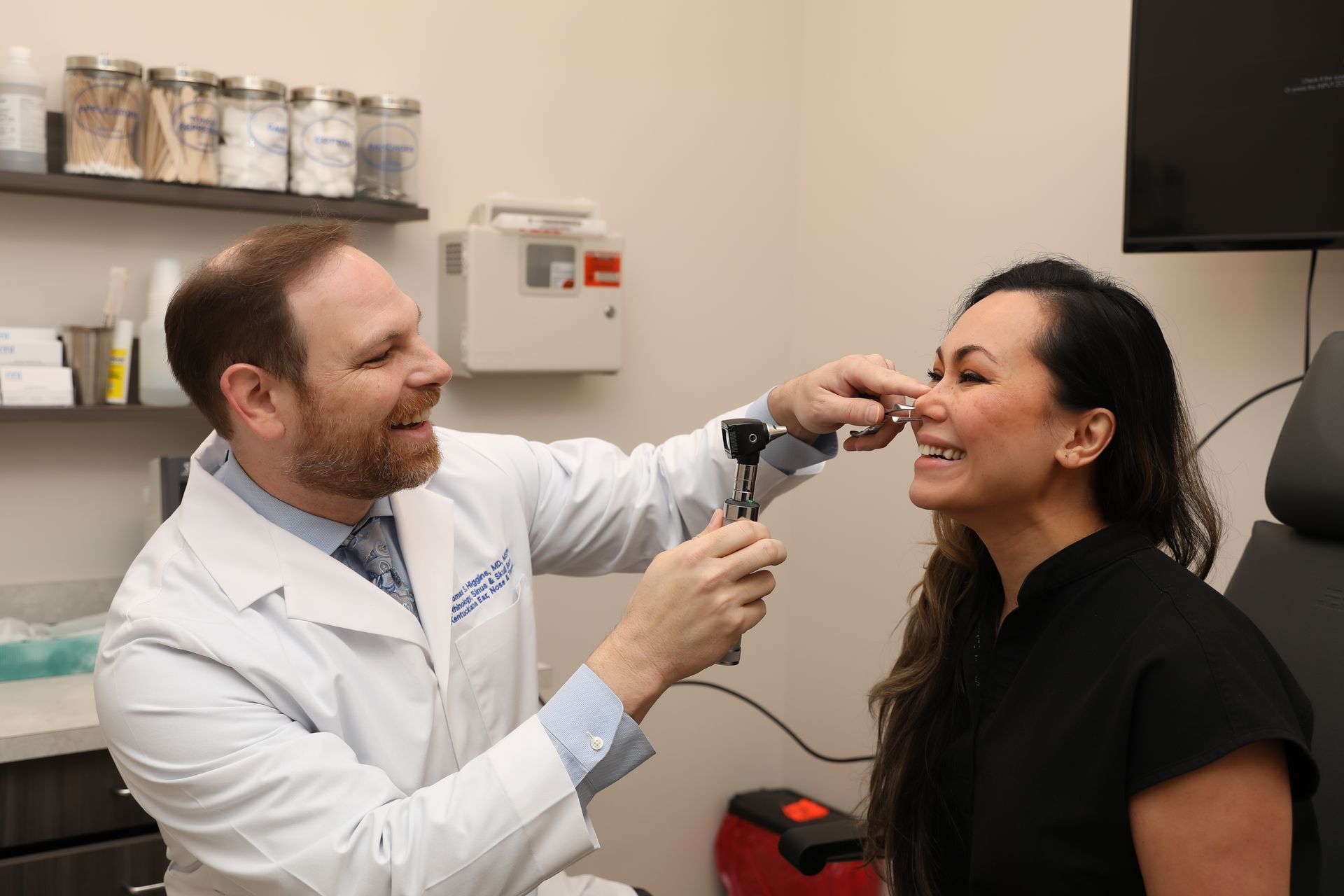
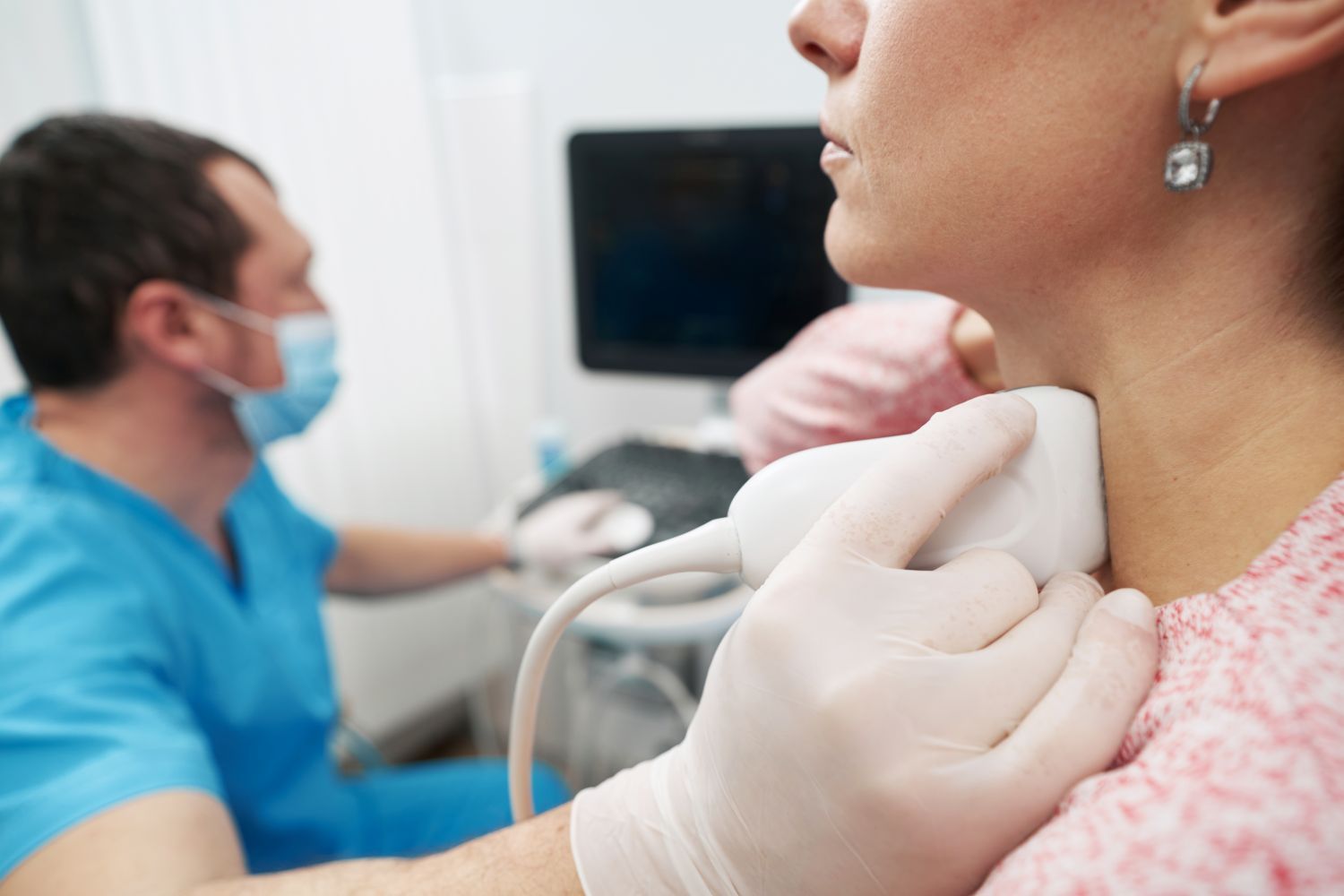
If sleep apnea is suspected, your primary care provider, sleep medicine specialist, or ENT specialist will perform a comprehensive evaluation. This typically includes a review of your medical history, discussing symptoms such as snoring, sleep habits, daytime fatigue, current medical conditions, medications, and family history.
A physical examination may also be performed to assess your nose, throat, tonsils, tongue, jaw structure, and other features that could contribute to airway obstruction.
To confirm the diagnosis, your provider will usually recommend a sleep study, which is the most reliable way to detect sleep apnea. Depending on your symptoms and overall health, this may be an overnight sleep study in a sleep laboratory (polysomnography) or a home sleep apnea test. These tests monitor your breathing, oxygen levels, heart rate, airflow, and sleep patterns to determine whether sleep apnea is present and how severe it is.
Treatment Options
Treatment depends on the severity of the condition and the underlying cause.
Oral Appliance Therapy
Custom-made oral appliances reposition the jaw to help maintain an open airway during sleep and may be appropriate for selected patients with mild to moderate OSA.
Surgical Treatment
Surgery is generally considered when anatomical obstruction contributes to sleep apnea or when CPAP and other treatments are ineffective or not tolerated. Surgical options may include:
- Septoplasty for a deviated septum
- Turbinate reduction
- Tonsillectomy
- Adenoidectomy
- Uvulopalatopharyngoplasty (UPPP)
- Tongue base procedures
- Hypoglossal nerve stimulation for select candidates
An ENT specialist can determine whether surgery is appropriate based on your anatomy and sleep study results.
Can an ENT Specialist Help with Snoring and Sleep Apnea?
Yes. An
ENT specialist evaluates the nose, throat, and upper airway to identify structural problems that contribute to snoring and obstructive sleep apnea. In appropriate patients, they can recommend medical or surgical treatments to improve airflow and breathing during sleep.
Addressing these issues may improve breathing and reduce snoring or sleep apnea symptoms.
Frequently Asked Questions
How do I know if I have sleep apnea or just snoring?
A sleep study is the most accurate way to distinguish simple snoring from obstructive sleep apnea.
What is the best treatment for sleep apnea?
Treatment depends on severity and may include lifestyle changes, CPAP therapy, oral appliances, or surgery when appropriate.
Can sleep apnea go away on its own?
Sleep apnea rarely resolves without treatment, although addressing contributing factors such as obesity or nasal obstruction may improve symptoms in some individuals.
Does everyone snore with sleep apnea?
Most people with obstructive sleep apnea snore, but not everyone does. Some individuals experience quiet breathing pauses that are only noticed by a bed partner.
Is loud snoring always dangerous?
Not necessarily. However, loud snoring combined with gasping, choking, daytime fatigue, or witnessed breathing pauses should be evaluated by a healthcare provider.
Should I see an ENT or a sleep specialist?
Many patients benefit from both. An ENT can identify structural airway problems, while a sleep specialist can diagnose sleep apnea through sleep testing and recommend appropriate treatment.