How Do I Know If a Thyroid Nodule Is Cancerous?
First, let’s ease the anxiety. Discovering a lump in your neck can be frightening, but knowledge is your greatest ally.
Thyroid nodules are common, and the vast majority are not cancerous.
Read on to learn what thyroid nodules are, how common they are, and the step-by-step medical process doctors use to determine whether a thyroid nodule could be cancerous.
What Is a Thyroid Nodule?
Your thyroid gland is a small, butterfly-shaped organ located at the base of your neck. It’s your body’s metabolic engine, producing hormones that regulate vital functions like energy, temperature, and heart rate.
A thyroid nodule is simply a lump or an abnormal growth of thyroid cells that forms within the thyroid gland. Nodules may be:
- Solid – made of thyroid tissue
- Fluid-filled – known as a cyst.
- Mixed (complex) – containing both solid and fluid components
Most thyroid nodules cause no pain and no symptoms, which is why many people don’t realize they have one until it’s found on imaging.
Are Thyroid Nodules Common?
Yes, thyroid nodules are extremely common.
- Studies show that up to 60% of adults have at least one thyroid nodule, most of which are small and go undetected.
- Physical exams identify thyroid nodules in about 4–7% of people when a nodule is large enough to be felt.
- Thyroid nodules are more common with increasing age, in women, and in individuals with a family history of thyroid disease or certain iodine deficiencies.
While thyroid nodules are very common, thyroid cancer is rare — most nodules are benign, and only a small percentage are malignant. Studies and clinical guidelines estimate that approximately 5–10% of thyroid nodules are cancerous.
How Doctors Evaluate a Nodule
You cannot determine whether a thyroid nodule is cancerous by touching it, by pain, or by appearance alone. A proper diagnosis requires a structured medical evaluation.
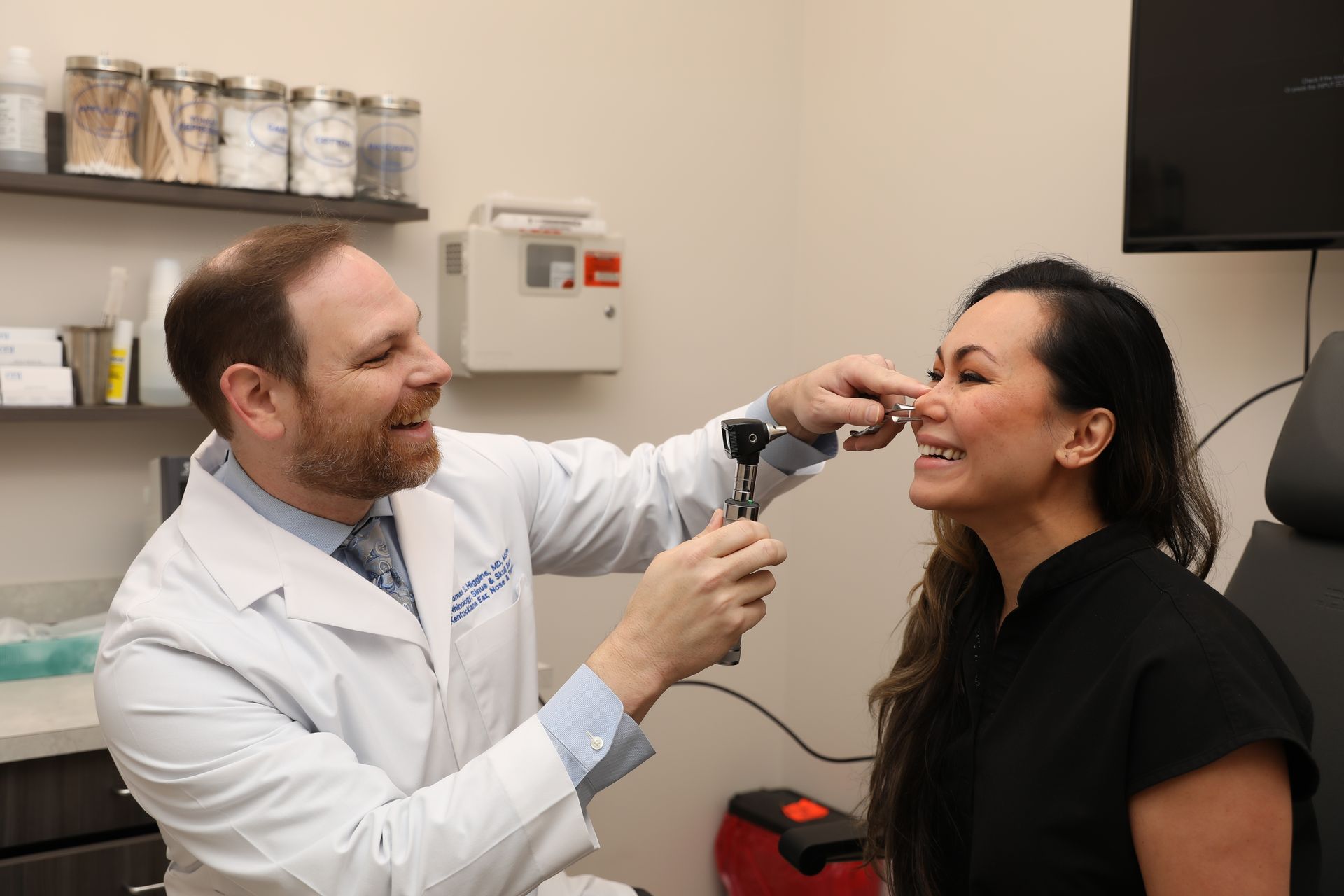
Step 1: Medical History and Physical Examination
Your ENT specialist or endocrinologist will begin by asking about:
- How long the lump has been present
- Whether it is growing
- Voice changes, swallowing difficulty, or breathing issues
- Family history of thyroid cancer
- Past radiation exposure to the head or neck
During the exam, the doctor checks whether the nodule:
- Moves when you swallow
- Feels firm or fixed
- Is associated with enlarged lymph nodes
While this step is important, it cannot confirm cancer on its own.
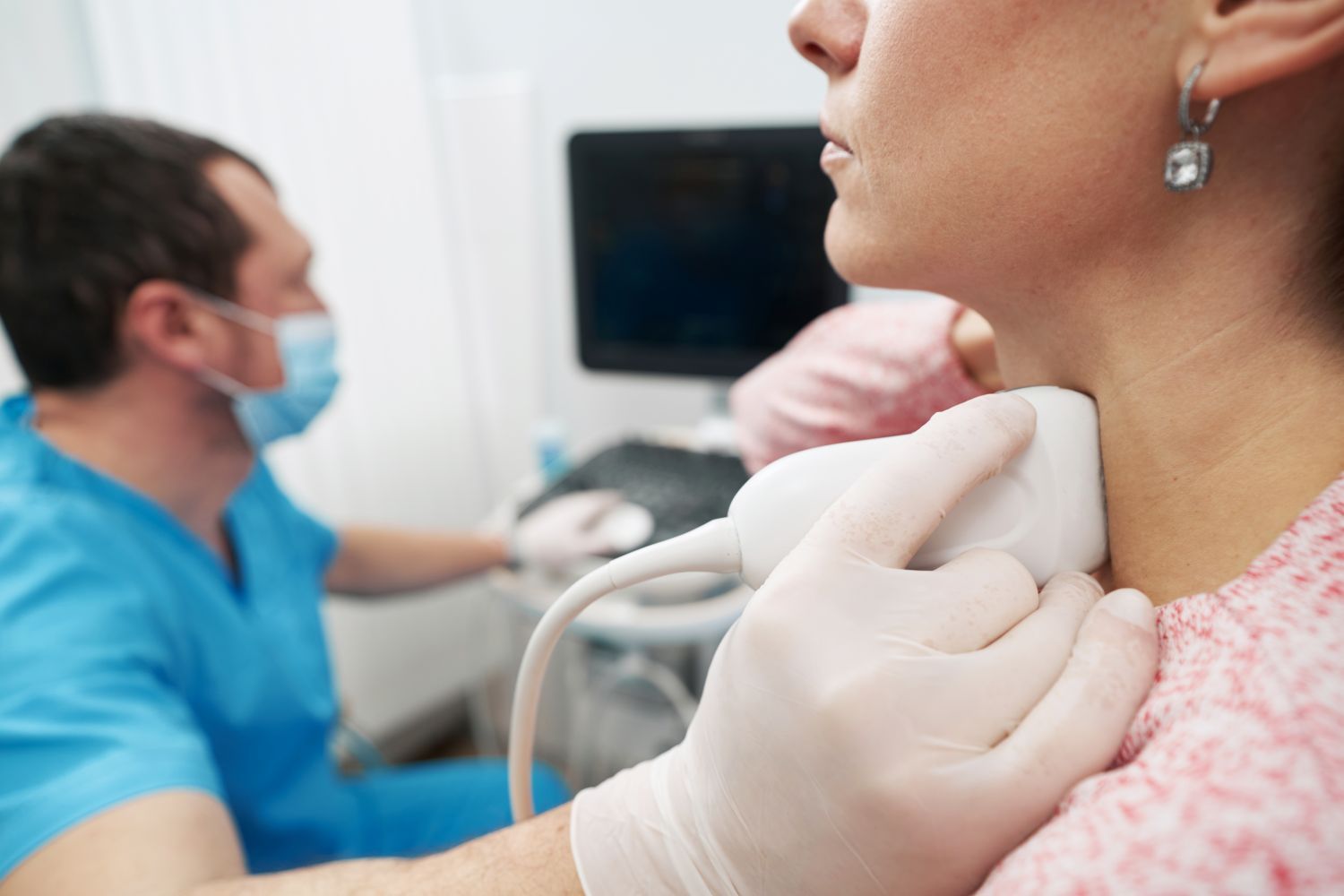
Step 2: Thyroid Ultrasound – The Imaging Cornerstone
A thyroid ultrasound is the most important imaging test for evaluating thyroid nodules. It is painless, quick, and uses sound waves (not radiation).
Ultrasound helps determine:
- Exact size of the nodule
- Whether it is solid or cystic
- Shape, margins, and internal features
- Presence of suspicious lymph nodes
Certain ultrasound features may raise concern and help determine whether a biopsy is needed.
Step 3: Fine-Needle Aspiration (FNA) Biopsy – The Key Test
If a nodule meets specific criteria, your doctor may recommend a fine-needle aspiration biopsy (FNA).
What to expect:
- Performed in the office or ultrasound suite
- Uses a thin needle to collect cells
- Usually takes less than 15 minutes
- Minimal discomfort for most patients
The collected cells are examined under a microscope by a pathologist. This is the most accurate way to determine whether a nodule is benign or suspicious.
Step 4: Understanding Biopsy Results and Next Steps
Biopsy results typically fall into one of the following categories:
- Benign: No cancer detected (most common result)
- Malignant or Suspicious: Cancer or high risk of cancer
- Indeterminate: Unclear results requiring further testing
- Nondiagnostic: Not enough cells; biopsy may need repeating
In some cases, molecular testing may be used on biopsy samples to better assess cancer risk and guide treatment decisions.
When to See a Doctor for a Lump in Your Neck
Although most thyroid nodules cause no symptoms, you should seek medical evaluation if you experience:
- A rapidly growing neck lump
- Persistent hoarseness or voice changes
- Difficulty swallowing or a feeling of throat tightness
- Ongoing cough not related to illness
- Shortness of breath
- A hard, fixed lump that doesn’t move when swallowing
Prompt evaluation by an ENT specialist or endocrinologist is important.
Ready for a Professional Evaluation?
If you have noticed a lump in your neck, have been diagnosed with a thyroid nodule, or are experiencing related symptoms, expert evaluation is important.
ENT Care Centers offers comprehensive thyroid care—from ultrasound and biopsy to advanced treatment options.
📞 Call (502) 837-7838 or schedule an appointment online.
We proudly serve patients in
Louisville and Elizabethtown, Kentucky, and Jeffersonville and Corydon, Indiana, providing compassionate, expert ENT and Head & Neck care every step of the way.