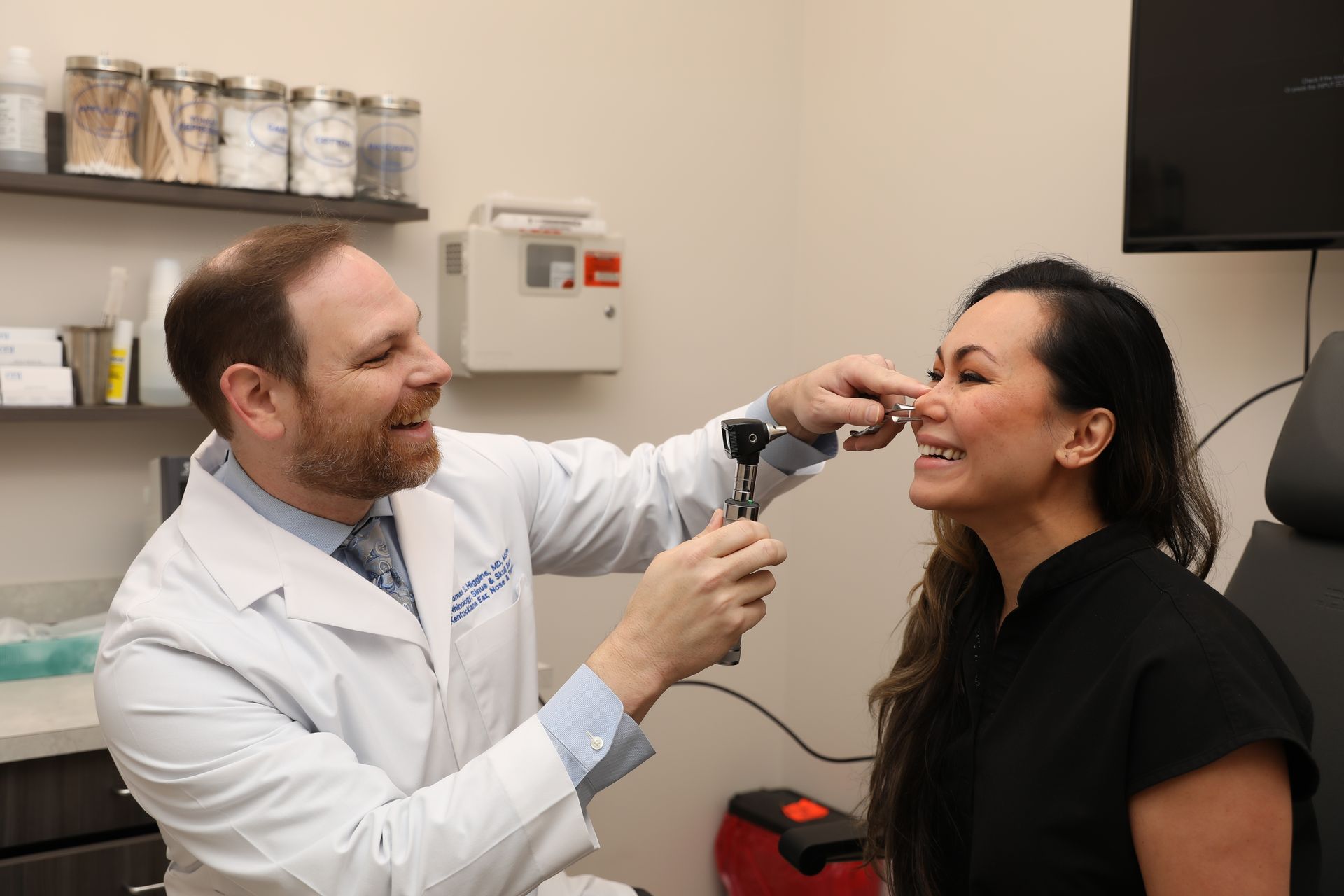
Are Allergy Shots Worth It? Benefits, Cost, and Long-Term Relief
Yes, allergy shots are worth it for many people with moderate to severe allergies. Unlike medications that only manage symptoms, allergy shots treat the underlying cause and can provide long-term relief that lasts for years after treatment.
If you rely on daily antihistamines or nasal sprays but still struggle with sneezing, congestion, or itchy eyes, you’re not alone. For millions of Americans, especially in regions with high pollen counts like Kentucky and Indiana, allergy symptoms can persist despite medication.
For people with moderate to severe allergies, allergy shots are a clinically proven long-term treatment that can significantly reduce symptoms and decrease reliance on medication. While treatment requires regular visits over 3–5 years, many patients experience lasting relief and improved quality of life.
What Are Allergy Shots?
Allergy shots, also known as allergy immunotherapy, are a form of immunotherapy that retrains your immune system to stop overreacting to harmless environmental triggers. Instead of just blocking symptoms, this treatment addresses the root cause of your allergic response.
By receiving regular injections of precisely measured allergens, your body gradually builds a tolerance to the substances that trigger your symptoms. Common triggers treated include:
- Seasonal Pollens: Tree, grass, and ragweed pollens
- Year-Round Allergens: Dust mites, mold spores, and pet dander
How Do Allergy Shots Work?
The treatment follows a two-phase schedule designed for safety and efficacy:
- Build-Up Phase
- During this initial period, you receive injections once or twice a week. The dose of allergens is gradually increased to help your immune system adapt. This phase typically lasts 3 to 6 months.
- Maintenance Phase
- Once a therapeutic dose is reached, you transition to the maintenance phase. You'll receive injections every 2 to 4 weeks for a period of 3 to 5 years. This sustained exposure creates long-lasting tolerance.
Who Should Consider Allergy Shots?
An ENT specialist or an allergist may recommend allergy shots if you:
- Experience moderate to severe allergy symptoms that interfere with daily life.
- Get inadequate relief from over-the-counter or prescription medications.
- Suffer from chronic sinusitis, ear infections, or allergic asthma triggered by allergens
- Want to reduce your reliance on daily medications
- Are seeking a long-term solution rather than temporary fixes
If you frequently experience sinus infections or ongoing congestion, underlying allergies may be a contributing factor worth evaluating—and treating the root cause can make a lasting difference.
The Benefits of Allergy Immunotherapy
Patients who complete the course of treatment often experience transformative results:
- Long-Term, Root-Cause Relief: Unlike pills or sprays, shots treat the underlying immune response, leading to durable results.
- Reduced Need for Medication: Many patients find they can significantly cut back on antihistamines, decongestants, and asthma inhalers.
- Enhanced Quality of Life: Enjoy clearer breathing, better sleep, and fewer missed days from work, school, or outdoor activities.
- Potential to Prevent Disease Progression: Research suggests that immunotherapy may help prevent the development of new allergies and reduce the risk of asthma in children.
In clinical practice, many patients who complete immunotherapy report long-term symptom reduction and improved quality of life, even years after treatment.
Are Allergy Shots Effective?
Yes. The American Academy of Allergy, Asthma & Immunology (AAAAI) supports immunotherapy as an effective treatment for allergic conditions. Studies show that they lead to a significant reduction in symptoms, allergy flare-ups, and medication use. For many patients, improvement begins within 6–12 months and can persist for years after completing the full 3–5-year course of treatment. Individual results can vary based on the type and severity of your allergies.
What Are the Downsides?
While allergy shots offer many benefits, they’re not for everyone. It's important to have realistic expectations. The commitment includes:
- Significant Time Commitment: Treatment requires regular visits over several years.
- Frequent Injections: Some people are uncomfortable with needles or frequent appointments.
- Possible Side Effects: Most reactions are mild, such as redness or swelling at the injection site. In rare cases, more serious allergic reactions can occur, which is why shots are given in a medical facility with a mandatory 30-minute observation period.
Results are gradual and require consistency—this is not a quick fix. Missing appointments can delay progress.
Are Allergy Shots Worth It in Kentucky and Indiana?
In regions like Kentucky and Indiana, where pollen levels can be high and seasonal allergies are common, allergy shots can be especially beneficial. This is especially helpful in the Ohio Valley region, where seasonal tree, grass, and ragweed pollen levels can be particularly high.
Common local triggers include:
- Tree pollen in spring
- Grass pollen in summer
- Ragweed in fall
- Mold from humidity and seasonal changes
Allergy shots provide a durable solution, freeing you from the cycle of seasonal suffering year after year.
How Much Do Allergy Shots Cost?
The cost of allergy shots (immunotherapy) can vary depending on several factors, including testing, serum preparation, and the number of visits required.
Most major insurance plans cover allergy testing and immunotherapy when deemed medically necessary. However, out-of-pocket costs will depend on your specific plan, including copays, deductibles, and visit frequency.
Allergy shot treatment typically occurs in two phases:
- Build-up phase: Weekly injections (higher visit frequency)
- Maintenance phase: Monthly injections
Because of this, costs may be higher at the beginning of treatment and decrease over time.
Without insurance, total costs generally range from $1,000 to $4,000 per year, depending on the clinic, complexity of your allergies, serum formulation, and visit frequency.
Our clinic’s financial counselors can help verify your insurance benefits and provide a clear estimate of costs before you begin treatment.
Are There Other Options Besides Getting Shots?
Yes. Allergy drops (sublingual immunotherapy, or SLIT) may be an alternative for some patients. However, in the United States, liquid allergy drops are often used off-label and are not FDA-approved, while certain allergy tablets are FDA-approved for specific allergens such as grass, ragweed, and dust mites.
How Allergy Drops Work
Instead of an injection, a customized liquid serum is placed under the tongue daily. Like shots, this gradually desensitizes the immune system to your specific triggers.
Pros of Allergy Drops
- Needle-free and painless.
- Convenient for at-home use after an initial in-office visit.
- Requires fewer trips to the doctor's office.
How to Get Started
The first step is a proper evaluation by a qualified provider. At our ENT clinics serving Louisville and Elizabethtown, Kentucky as well as Jeffersonville and Corydon, IN and surrounding areas, we:
- Perform comprehensive allergy testing
- Identify your specific triggers
- Create a personalized treatment plan
If allergy symptoms are interfering with your daily life, the next step is a proper diagnosis. Our ENT specialists can identify your triggers and determine whether allergy shots are right for you.
Call 502-837-7838 or request an appointment online to schedule your personalized allergy evaluation.
Key Takeaway
So, are allergy shots worth it? For many people, especially those with persistent or severe allergies, the answer is a resounding yes. Allergy shots offer a long-term solution that goes beyond symptom relief, helping you breathe more easily and live more comfortably.
If allergy symptoms are affecting your daily life, scheduling an evaluation with an ENT or allergy specialist can help determine whether immunotherapy is the right long-term solution for you.
Common Questions About Allergy Shots
How long does it take for allergy shots to work?
Some people notice improvement within a few months, but full benefits typically develop over 1–2 years.
Do allergy shots cure allergies?
They don’t “cure” allergies, but they can significantly reduce or even eliminate symptoms in the long term.
Are allergy shots painful?
Most patients experience only mild discomfort, similar to a small pinch. Reactions are typically minimal and short-lived.
Can you stop allergy shots early?
Yes, but stopping early may reduce the long-term effectiveness of treatment. It’s best to follow your provider’s recommended schedule.
What happens if you miss a dose?
Missing a dose may require adjusting your treatment schedule or repeating a previous dose for safety. Your provider will guide you on the next steps.
Can children get allergy shots?
Yes, allergy shots are safe and effective for many children, depending on their condition.
Medical Disclaimer
This content is for educational purposes only and is not a substitute for professional medical advice, diagnosis, or treatment. Always consult a qualified healthcare provider for concerns about your symptoms.